
Hyrox 8-Week Training Plan PDF: Purpose and Structure
Our PDF outlines a clear 8‑week path, blending endurance, strength, and skill drills to mirror Hyrox demands․ It details weekly mileage, functional circuits, interval sessions, and taper phases, ensuring progressive overload while preventing injury․ Download to track progress Track progress daily for results

Week 1–2: Base Endurance and Strength Foundation
Weeks one and two focus on building a solid aerobic base and basic strength․ Run 3–4 days, gradually increasing distance․ Add bodyweight circuits: squats, push‑ups, lunges, core work․ Aim for progression, keep intensity low, prioritize recovery and core
Daily Running Volume Increase
In the first two weeks, the focus is on a gradual rise in weekly mileage to lay a robust aerobic base․ Begin with a 3‑day run schedule: a short tempo run, a steady‑pace long run, and a recovery jog․ Each session should increase by no more than 10% from the previous week․ For example, start with 5 km, 8 km, and 3 km, then progress to 5․5 km, 8․8 km, and 3․3 km․ This incremental build helps the cardiovascular system adapt without overloading the musculoskeletal system․ Incorporate a dedicated “long‑run” day that emphasizes steady‑state endurance; keep the pace conversational to avoid excessive lactate accumulation․ Add a light cross‑train session—such as cycling or swimming—on a rest day to aid recovery while maintaining overall volume․ Track each run’s distance, pace, heart‑rate zone, and perceived effort in a training log to ensure the 10% rule is respected․ Consistency is key: aim for at least 20 km per week in week 1, rising to 28 km by week 2․ This disciplined volume increase primes the body for the hybrid demands of Hyrox, where running is paired with strength and functional movements․ Remember to listen to your body; any sharp pain warrants a reduction in mileage or a rest day․ By the end of week 2, you should feel comfortable covering the planned distances with a steady, sustainable effort․
Nutrition and hydration play a pivotal role during this volume ramp․ Consume a balanced mix of carbohydrates, proteins, and healthy fats to fuel runs and aid muscle repair․ Aim for 3–4 servings of fruit and vegetables daily, and keep water intake at 2–3 litres per day․ After each run, refuel within 30 minutes with a protein‑carbohydrate combo to kickstart glycogen replenishment․ Sleep is equally critical; target 7–9 hours nightly to support recovery and hormonal balance․ Incorporating dynamic warm‑ups before each run—leg swings, high knees, butt kicks—prepares the joints and reduces injury risk․ Finish with static stretches focusing on calves, hamstrings, quads, and hip flexors to maintain flexibility․ Consistent application of these practices ensures that the increased mileage translates into improved endurance without compromising overall health․

Maintain this structured progression and you’ll build a solid endurance foundation ready for the next phases․
Bodyweight Strength Circuit
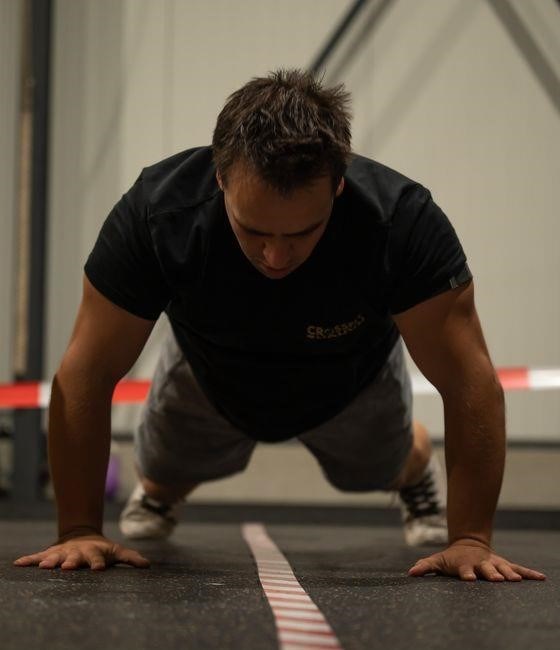
During weeks 1–2 the bodyweight circuit builds functional strength․ It features 6 core moves that mirror Hyrox: push‑ups, air squats, burpees, mountain climbers, plank shoulder taps, and single‑leg glute bridges․ Do 4 rounds of AMRAP with 30 seconds work and 15 seconds rest, aiming for 12–15 reps each․ The circuit raises heart‑rate, builds endurance, and hones neuromuscular coordination․ Keep a 2‑second eccentric to boost strength while avoiding injury․ After the rounds, cool down with 2 minutes of light jogging or marching․ Train 3 times weekly, resting at least one day between sessions․ Progress by adding reps to 18–20, pausing 5 seconds at the top, or using a weighted vest․ Log reps and time to track gains․ Stretch chest, shoulders, quads, hamstrings, and glutes after workouts, and stay hydrated․ This routine primes the body for Hyrox’s high‑intensity demands․ Include a brief 1‑minute warm‑up of dynamic stretches before starting the circuit to reduce injury risk․
Technique cues keep form: core tight in push‑ups, hips up in squats, straight line from head to heels in burpees, pull knee toward chest in climbers, minimal torso rotation in shoulder taps․ Breathing: inhale on eccentric, exhale on concentric․ Rest 30 seconds after every two rounds if fatigue spikes․ Advanced athletes add a 10‑second pause at the peak to increase time under tension․ Consistency in form over volume yields best gains․ Mobility drills—hip circles, thoracic rotations, ankle dorsiflexion—on off‑days maintain joint health and prevent compensatory patterns․ After each session, perform a 5‑minute cool‑down with light mobility work and foam‑rolling to aid recovery․ Remember to hydrate before, during, and after workouts to maintain performance․

Week 3–4: Intensifying Cardiovascular and Functional Workouts
Weeks 3‑4 add 4‑day rowing intervals, 3‑day ski‑erg bursts, functional circuits․ Include 800‑m sprints, 30‑sec wall‑ball bursts, 5‑min carry drills․ Focus on pacing, breathing, and recovery․ Track HR zones, adjust load, monitor fatigue!!!
Interval Rowing and Ski Erg
Weeks 3–4 sharpen the cardiovascular engine for Hyrox․ Each session starts with a 10‑minute dynamic warm‑up (leg swings, arm circles, light jog)․ The main work is 6–8 repeats of 500 m rowing or 1‑minute ski‑erg bursts at 90–95 % effort․ Rest 90–120 seconds keeps heart rate in the aerobic‑threshold zone, forcing lactate tolerance and stroke‑rate consistency․
After intervals, cool down 5 minutes at 60–70 % intensity to flush metabolites․ Log stroke rate, distance, and RPE each repeat; use a training log to track progression․ Alternate days add a 15‑minute core circuit (planks, side planks, Russian twists) to support the upper‑body demands of rowing and ski‑erg․
Nutrition: consume 1․2–1․5 g protein/kg body weight and 5–7 g/kg carbs before sessions․ Hydrate 500 ml pre‑session, 250 ml every 15 min during, 500 ml post‑session․ Aim for 7–9 h sleep and active recovery (light swim or bike) on rest days to maintain performance․
Test gear (erg settings, gloves, shoes) and breathing—exhale on effort, inhale on recovery․ Monitor HR: 80–85 % HRmax during work, 60–70 % during rest․ If HR drops below 60 % during rest, shorten interval or increase intensity․ Use a wearable HR monitor for data accuracy․
Recovery: foam roll, dynamic stretch, 10‑minute light jog or bike post‑session․ Contrast water therapy (2 min hot, 2 min cold) reduces inflammation․ A protein shake within 30 min post‑workout aids muscle repair and supports next day performance․
Set a target: increase total rowing distance by 5 % each week and add 30 seconds to each ski‑erg interval․ Track progress in a spreadsheet; graph helps maintain motivation and highlights plateau points for adjustment!!
Weighted Carry and Wall Balls
Weeks 5–6 focus on functional strength that mirrors the Hyrox carry and wall‑ball rounds․ Each session begins with a 10‑minute mobility routine (hip circles, thoracic rotations) to prepare the posterior chain and upper body․
Carry drills: 4–6 x 30 m farmer’s carry (50 kg each hand) and 4–6 x 30 m sandbag carry (30 kg)․ Rest 90–120 seconds between sets․ Emphasize a neutral spine, tight core, and steady breathing․ Record load, distance, and RPE to track progression․
Wall‑ball: 4–6 x 10 reps with a 12‑kg ball for men, 9‑kg for women․ Use a A 3‑second squat, 1‑second pause, and a 2‑second drive․ Maintain a 90‑second pause between sets․
Combine carries and wall‑balls into a circuit: 3 rounds of 30 m farmer’s carry, 10 wall‑balls, 30 m sandbag carry, 10 wall‑balls․ Keep total time under 12 minutes to simulate race pacing․
Nutrition: pre‑session carb load (70 % carbs) 2 hours before, protein shake post‑session․ Hydrate 500 ml pre, 250 ml every 10 minutes during, 500 ml post․ Sleep 8 h and active recovery (yoga, light swim) on off days․
Recovery: foam roll the forearms, forearms, and lower back․ Use a 10‑minute light jog or bike after the session․ Contrast water therapy (2 min hot, 2 min cold) reduces inflammation․ A protein shake within 30 min post‑workout aids muscle repair․
Progression: add 5 kg to the carry load each week, increase wall‑ball weight by 1 kg every two weeks, and reduce rest intervals by 10 seconds every third week․ Track data in a spreadsheet; graphing helps identify plateaus and adjust intensity!!! :)!
Week 5–6: Peak Performance and Race Simulation
Weeks 5–6 peak with full race‑style simulations․ Run 5 km, row 500 m, carry 30 kg, wall‑ball 12 kg, and sled push 20 m in sequence, 3×․ Rest 2 min between rounds․ Log time, RPE, and heart‑rate․ Focus on pacing, breathing and mental cues for race day․ Stay hydrated, keep core tight, visualize each station edge․
Full HYROX Event Simulation
Begin with a 10‑minute dynamic warm‑up: jog, high knees, butt kicks, arm circles, and mobility drills․ Then execute the official HYROX sequence: 1) 1 km run, 2) 1000 m rowing, 3) 50 kg farmer’s carry (20 m each side), 4) 30 wall‑balls (12 kg), 5) 20 m sled push, 6) 25 m sled pull, 7) 1 km run, 8) 1000 m rowing, 9) 50 kg farmer’s carry, 10) 30 wall‑balls, 11) 20 m sled push, 12) 25 m sled pull, 13) 1 km run, 14) 1000 m rowing, 15) 50 kg farmer’s carry, 16) 30 wall‑balls, 17) 20 m sled push, 18) 25 m sled pull, 19) 1 km run, 20) 1000 m rowing, 21) 50 kg farmer’s carry, 22) 30 wall‑balls, 23) 20 m sled push, 24) 25 m sled pull, 25) 1 km run․ Record split times, RPE, and heart‑rate after each station․ Rest 2 min between runs, 3 min between rowing, 4 min between carries, 5 min between wall‑balls, 6 min between sleds․ After the final run, cool down with 5 min light jog and static stretches․ Analyze data to identify pacing gaps, fatigue patterns, and recovery needs․ Repeat weekly, gradually reducing rest intervals to build race‑day stamina and mental resilience․ Use a logbook or app to track progress and adjust training loads accordingly․Nutrition plays a pivotal role; consume 1․5–2 g protein per kilogram body weight daily, hydrate 3–4 L water pre‑race, and include a balanced carb‑protein snack 30 min before the event․ Gear-wise, choose lightweight, breathable footwear, a supportive compression vest, and a hydration pack with quick‑access pockets․ Mentally, visualize each station, practice positive self‑talk, and rehearse breathing patterns to maintain composure under fatigue․ Stay․

Speed and Recovery Intervals
Speed and recovery intervals are the cornerstone of the final two weeks of the Hyrox 8‑week plan․ The goal is to sharpen anaerobic capacity while ensuring the body can bounce back quickly between high‑intensity bouts․ A typical session follows a 10‑minute dynamic warm‑up, then 8 × 400 m sprints at 90 % VO₂max with 90 s active recovery (light jog)․ After the sprint block, move to 4 × 200 m rowing intervals at 95 % effort, 60 s rest․ Finish with 3 × 50 kg farmer’s carry, 20 m each side, 45 s rest․ Cool down with 5 min easy jog and static stretches․ The key is to monitor RPE; keep it around 8–9 during work, 4–5 during recovery․ Use heart‑rate zones: 85–95 % HRmax for work, 60–70 % for recovery․ Repeat the session twice a week, alternating the sprint distance (400 m vs 200 m) to avoid monotony․ Combine this with a daily foam‑rolling routine, 10 min of mobility drills, and a protein‑rich post‑workout meal (25–30 g)․ Hydration is critical; aim for 3 L water per day and electrolytes during long sessions․ Tracking progress in a training log helps adjust interval length and rest․ By the end of week 7, the athlete should be able to sustain 1 km runs in 4 min 30 s while maintaining a 90 % effort on the first 400 m sprint․ This dual focus on speed and recovery ensures peak performance on race day․
Add a reverse interval set: 3 × 800 m at 80 % VO₂max, 2‑minute rest, then 2 × 100 m wall‑ball sprints at 100 % effort, 30 s rest․ This trains recovery before a high‑load burst, mimicking rowing‑to‑wall‑ball transition․ Perform on alternate days to avoid over‑training․ Include a weekly active‑recovery day: 45 min cycling or swimming, keeping HR below 60 % HRmax for blood flow and muscle repair and improve overall endurance․

Week 7: Tapering and Recovery Strategies
Reduce volume to 50 % of peak load, keep intensity high with short bursts․ Focus on mobility, foam‑rolling, and 30‑min low‑intensity cardio․ Prioritize sleep, protein, and hydration․ Light sprints, yoga, and active recovery keep legs fresh for race day․ Enjoy!
Reduced Training Load and Mobility Work
During the taper week, the focus shifts from building new adaptations to preserving existing gains while allowing the body to recover fully․ A typical schedule reduces overall training volume by roughly 40‑50 % from the peak weeks, yet keeps key movement patterns and intensity cues intact․ This approach prevents detraining while maintaining neuromuscular readiness for the race․
Key components include:
- Light cardio bursts: 20‑30 min of low‑intensity steady‑state running or cycling, interspersed with 30‑second all‑out efforts to keep the cardiovascular system primed․
- Functional mobility drills: Dynamic stretches, hip‑opening sequences, and shoulder mobility work to keep joints supple and reduce injury risk․
- Active recovery sessions: 45‑minute walks, gentle bike rides, or swim sessions that promote blood flow without taxing the nervous system․
- Core stabilization: 10‑15 min of planks, side‑planks, and bird‑dogs to maintain core integrity without overloading․
Nutrition during this phase should emphasize high‑quality protein (1․2‑1․5 g kg⁻¹), complex carbs for glycogen maintenance, and ample fluids to support recovery․ Sleep hygiene is paramount: aim for 8‑10 hours nightly and incorporate short naps if needed․
By balancing reduced load with targeted mobility, athletes arrive at the start line with muscles primed, joints mobile, and a refreshed nervous system ready to perform at peak․
Daily mobility sessions should begin with a 5‑minute dynamic warm‑up (leg swings, arm circles), followed by 10‑minute static stretches focusing on hamstrings, calves, and thoracic spine․ End with 5 minutes of diaphragmatic breathing to lower cortisol levels․

Hydration strategy: consume 500 ml water 30 minutes before training, then sip 200 ml every 15 minutes during sessions․ Post‑workout, replenish electrolytes with a small sports drink if sweat loss exceeds 1 kg․
Visualization techniques: spend 10 minutes before bed picturing each Hyrox station, rehearsing breathing patterns and pacing cues to reinforce neural pathways․

Week 8: Final Preparation and Mental Readiness
Focus on light drills, hydration, and rehearsal․ Keep training under 30 min, emphasize technique, visualize race flow․ Use breathing cues, set realistic pacing goals, maintain a mantra․ Rest, sleep, nutrition daily are paramount now soon․
Race Day Warm‑Up Routine
Begin 30 minutes before the start line with a structured warm‑up that primes both mind and body․ Step 1: Dynamic mobility – 5 minutes of leg swings, hip circles, arm swings, and inchworms to increase joint range and blood flow․ Step 2: Light cardio – 5 minutes of easy jogging or rowing at 50‑60 % HRmax to elevate core temperature․ Step 3: Sport‑specific drills – 5 minutes of short, high‑intensity burpees, lunges, and kettlebell swings to activate the power‑transfer pathways used in the wall‑ball and sled‑carry stations․ Step 4: Technical rehearsal – 5 minutes of a full 1‑minute wall‑ball throw and a 10‑meter sled push, focusing on rhythm, breathing, and posture․ Step 5: Mental focus – 5 minutes of deep diaphragmatic breathing, visualizing the course, and setting a race‑day mantra․ Finish with 2‑3 light strides and a quick stretch of the calves, hamstrings, and shoulders․ This routine balances physiological readiness with psychological calm, ensuring you hit the start line energized, focused, and injury‑free․
Hydration strategy: sip 200 ml of water 10 minutes before the start, then a 50 ml electrolyte drink 5 minutes prior․ Keep the mouth moist to aid vocal clarity during the race․ Nutrition: a small banana or a gel 15 minutes before the start provides quick glucose without gastrointestinal distress․ Keep the bag light; only essential gear – shoes, bib, water bottle, and a spare pair of gloves for the sled station․
Recovery mindset: after the warm‑up, take a moment to review the race plan on your phone, noting the order of stations and any personal pacing cues․ Set a visual cue, such as a colored wristband, to remind you of the next station․ This mental mapping reduces decision fatigue during the event․ Finally, take a deep breath, exhale slowly, and step onto the line with confidence․
During the final 2 minutes before the start, perform 3 short strides: 10 meters forward, 10 meters backward, 10 meters lateral, each at 80 % effort, to lock in neuromuscular readiness․ Finish with a 30‑second static stretch of the quadriceps and a quick shoulder roll to release any residual tension․ This micro‑warm‑up ensures your muscles are primed for explosive effort right from the first station․
Remember to keep your breathing steady: inhale for 4 counts during the jog, exhale for 6 during the drills, and maintain a 2:3 inhale‑exhale ratio during the final strides․ This breathing pattern stabilizes heart rate and oxygen delivery, allowing you to sustain power output across all 8 stations․

Supplementary Resources and Printable PDF Download
For athletes seeking deeper insight, the official Hyrox website offers a comprehensive event guide, including station specifications, scoring criteria, and safety protocols․ Complementary training blogs from elite competitors—such as the Hyrox‑Pro series—provide week‑by‑week workout logs and video tutorials that illustrate proper technique for the sled, wall‑ball, and rowing segments․
Nutrition is pivotal; consult the Hyrox Nutrition Hub for carbohydrate loading plans, electrolyte balance charts, and post‑race recovery recipes tailored to high‑intensity endurance events․ Recovery specialists recommend guided mobility routines and foam‑rolling schedules that align with the 8‑week taper, ensuring muscle fibers remain supple for the final push․
To personalize your training, download the printable PDF version of the 8‑week plan, featuring a detailed calendar, mileage tracker, and station‑specific warm‑ups․ The PDF is fully editable in Adobe Acrobat, allowing you to mark completed sessions, adjust volume, and log subjective fatigue scores․ Embedding a QR code links directly to the online version for real‑time updates․
Additional resources include a curated playlist of tempo‑running tracks, a list of local CrossFit affiliates offering Hyrox‑style classes, and a community forum where participants share pacing strategies and motivational anecdotes․ All links are available and the PDF download button is positioned prominently at the bottom of the page for quick retrieval!