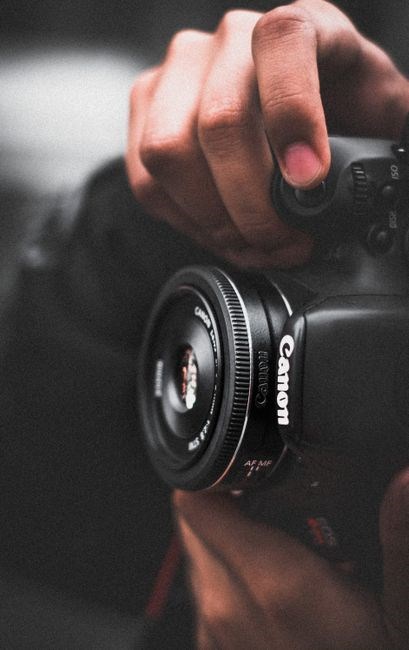
The Canon EOS 350D Manual! provides comprehensive guidance for operating DSLR‚ covering setup‚ shooting modes‚ settings‚ maintenance‚ and troubleshooting. It serves photographers of skill levels!!.
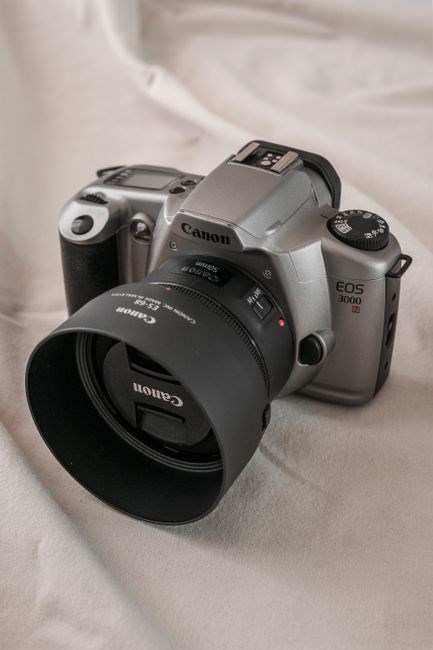
Purpose of the Manual
Designed to empower Canon EOS 350D owners‚ the manual delivers step‑by‑step instructions that transform a new DSLR into a creative tool. It explains how to power the camera‚ navigate menus‚ and use built‑in shooting modes‚ ensuring users can capture sharp images in any lighting. The guide also covers lens‑mount compatibility‚ explaining which EF lenses work seamlessly with the 350D’s 18‑55mm kit and how to attach third‑party optics. Detailed sections on the LCD and optical viewfinder help photographers adjust settings while reviewing frames. Maintenance tips—cleaning the sensor‚ battery care‚ and firmware updates—extend the camera’s lifespan. Troubleshooting entries address common issues such as autofocus failures‚ image noise‚ and menu errors‚ offering quick fixes. Finally‚ warranty information and support contacts provide a safety net for unexpected problems‚ making the manual an indispensable companion for both beginners and seasoned shooters. Use this guide to master features and capture moments today.
Target Audience
Targeted at both novice photographers and experienced hobbyists‚ the Canon EOS 350D manual offers clear‚ step‑by‑step guidance for mastering the camera’s features. It is ideal for students learning digital photography‚ weekend travelers capturing memories‚ and creative enthusiasts exploring manual exposure. The guide explains basic operations—turning the camera on‚ setting date and time‚ and navigating the menu—before advancing to scene modes‚ aperture priority‚ and manual settings. Practical tips on lens selection‚ memory card management‚ and battery care help users maintain optimal performance. Troubleshooting sections address common issues such as autofocus lag‚ image noise‚ and menu errors‚ providing quick fixes. Readers will also find concise explanations of ISO range‚ white balance presets‚ and exposure compensation‚ ensuring every shot meets their vision!!! Use to master EOS 350D quickly.
System Overview
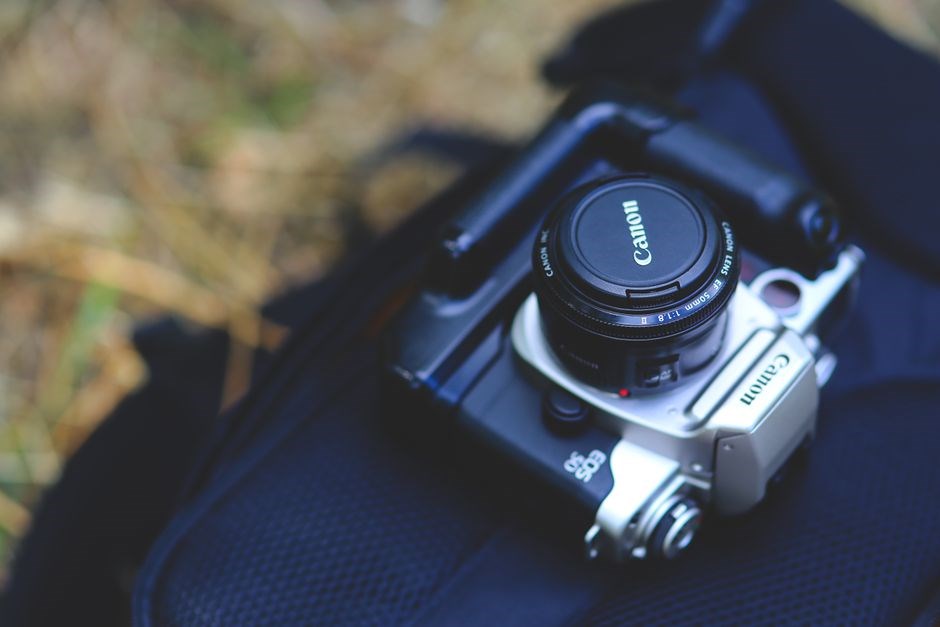
The EOS 350D combines a 10.1‑MP sensor‚ 3‑point autofocus‚ and a 3‑inch LCD. It supports 12 shooting modes‚ and runs on rechargeable Li‑Ion batteries. Enjoy versatile photography! for all levels!!.
Camera Body Overview
Discover the Canon EOS 350D body: a lightweight‚ ergonomic design featuring a robust metal chassis‚ intuitive button layout‚ and a 3‑inch LCD screen with 230‚000‑pixel resolution. The camera houses a 10.1‑megapixel APS‑C sensor‚ delivering sharp images with excellent dynamic range. Its 3‑point autofocus system‚ coupled with a 3‑speed shutter (1/4000‑1/30s‚ Bulb)‚ offers flexibility across shooting scenarios. The EOS 350D supports 12 shooting modes‚ from Auto to Manual‚ and includes a built‑in flash with pop‑up design. Power is supplied by an LP‑N10 lithium‑ion battery‚ providing up to 400 shots per charge. The body’s weather‑sealed grips and durable construction make it suitable for both beginners and seasoned photographers seeking reliable performance. With its intuitive controls‚ the EOS 350D allows adjustments to shutter speed‚ aperture‚ and ISO‚ making it ideal for capturing scenes low without compromising image quality
Lens Mount Compatibility
The Canon EOS 350D uses the EF‑mount system‚ allowing full compatibility with Canon’s extensive range of EF lenses‚ from wide‑angle to telephoto. The mount’s 44‑mm flange distance ensures optimal optical performance‚ while the built‑in electronic contacts provide autofocus‚ aperture control‚ and image‑stabilization data to the camera. Users can also attach EF‑S lenses‚ designed for APS‑C sensors‚ without any mechanical or electronic limitations. Third‑party manufacturers such as Sigma‚ Tamron‚ and Tokina offer lenses that fully support the EF mount‚ providing additional focal lengths and aperture options. The camera’s lens‑mount interface is fully compatible with Canon’s EF‑S and EF‑L lenses‚ enabling photographers to expand their creative toolkit. For best results‚ it is recommended to use lenses certified for the EOS 350D‚ ensuring reliable autofocus performance and accurate metering across all shooting modes. It performs well in low‑light‚ offering detail. 3x
LCD and Viewfinder Specifications
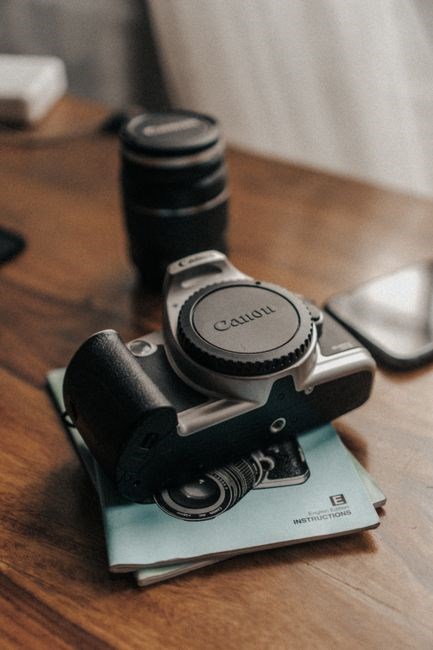
The Canon EOS 350D features a 2.5‑inch rear LCD with 230‚000 dots‚ providing clear live‑view imaging. Supports 12‑bit grayscale and 8‑bit color‚ delivering accurate color rendition and contrast. The LCD is articulating‚ allowing shooting from low or high angles. In addition‚ the optical viewfinder offers a 0.95× magnification and 95% coverage‚ ensuring a near‑full very view. The camera’s electronic viewfinder is not present; users rely on the optical system for framing. The LCD’s brightness can be adjusted via the menu‚ enabling use in bright daylight or dim indoor settings. The display also shows battery status‚ shutter count‚ and other shooting parameters. This combination of LCD and viewfinder provides flexibility for both live‑view very and SLR shooting‚ making the 350D suitable for beginners and enthusiasts alike!
Basic Operations
Powering on the EOS 350D is simple: press the power button until the display lights. Use the main dial to navigate menus‚ while the function button toggles shooting modes. The shutter button takesphoto.
Power On/Off and Reset
To power on the Canon EOS 350D‚ locate the power switch on the top right of the camera body; Slide it from OFF to ON; the LCD will light up‚ indicating readiness. To power off‚ slide the switch back to OFF. The camera also offers a quick reset function: press the reset button located near the battery compartment‚ holding it for 3 seconds. This restores factory settings for shutter speed‚ aperture‚ and exposure mode‚ useful after a firmware update or if the camera stops responding. Always ensure the battery is fully charged before powering on to avoid unexpected shutdowns. For safety‚ keep the camera in a cool‚ dry place and avoid sudden temperature changes that could affect battery performance. The reset function is designed to preserve image data while resetting configuration‚ so you can recover from misconfigured settings without losing your photos.
Back up images regularly to external drives or cloud storage. Store the battery in a cool‚ dry place Replace it when it longer holds charge
Menu Navigation and Settings
Access the main menu by pressing the MENU button on the back of the camera. Use the multi‑function dial to scroll through the menu pages‚ and the center button to confirm selections. The menu is divided into three tabs: Camera Settings‚ Image Quality‚ and Setup. In Camera Settings you can adjust exposure mode‚ white balance‚ ISO speed‚ and focus mode. Image Quality lets you choose JPEG or RAW formats‚ and set the resolution and compression level. The Setup tab contains camera‑specific options such as date/time‚ battery status‚ and firmware updates. To reset a specific setting‚ highlight it‚ press the center button‚ and select “Reset” from the sub‑menu. For a full factory reset‚ navigate to Setup → Reset → Reset All Settings. Remember to save any custom presets before resetting. The camera also supports custom button assignments: go to Setup → Custom Functions → Custom Button Settings‚ then assign a function to the designated button. This allows quick access to frequently used settings like ISO or white balance. Keep the menu organized by disabling unused options in Setup → Menu Settings. This helps prevent accidental changes while shooting. For advanced users‚ the camera offers a “Manual” mode that can be accessed by selecting Manual from the main menu and then adjusting shutter speed‚ aperture‚ and ISO manually. The camera’s menu is designed to be intuitive‚ but it is recommended to review the full manual for detailed explanations of each setting and its impact on image quality. Keep the manual handy and check online for firmware updates. Use it often!!!
Button and Dial Functions
The Canon EOS 350D features a set of buttons and dials that provide quick access to essential shooting functions. The main controls are the power switch‚ the mode dial‚ the shutter button‚ the release button‚ the AF‑ON button‚ and the custom function (C‑F) button. The mode dial located on the top of the body allows you to switch between Auto‚ Scene‚ Aperture Priority‚ Shutter Priority‚ Manual‚ and Custom modes. The shutter button is the primary trigger; half‑pressing it activates autofocus and exposure metering‚ while full‑pressing it fires the shutter. The release button‚ positioned on the back‚ is used for menu navigation and for selecting menu items. The AF‑ON button‚ located on the back‚ enables or disables autofocus independently of the shutter button‚ allowing you to lock focus on a subject. The C‑F button is programmable for ISO adjustment‚ white balance‚ and exposure compensation. The multi‑function dial is used for scrolling menu options‚ adjusting exposure‚ selecting focus. Ergonom.

Shooting Modes and Settings
The EOS 350D offers Auto‚ Scene‚ Aperture Priority‚ Shutter Priority‚ Manual‚ and Custom modes. Adjust ISO‚ white balance‚ and exposure compensation to refine image quality.Capture stunning scenes.
Auto and Scene Modes
On the Canon EOS 350D‚ the Auto mode automatically selects exposure‚ focus‚ and white balance‚ making it ideal for beginners and quick shots. The Scene modes—Portrait‚ Landscape‚ Sports‚ Night Portrait‚ Close‑up‚ and Action—tailor camera settings to specific lighting and motion conditions. Portrait mode emphasizes soft background blur by selecting a wide aperture and moderate shutter speed. Landscape mode maximizes depth of field with a small aperture and slower shutter speed‚ while Sports mode prioritizes fast shutter speeds to freeze motion. Night Portrait combines a slow shutter with a flash to capture low‑light subjects‚ and Close‑up mode optimizes focus for macro subjects‚ and Action mode balances shutter speed and aperture for dynamic scenes. Each mode can be customized via the menu‚ allowing users to tweak ISO‚ exposure compensation‚ and focus points for creative control.
Use the Scene button to cycle through modes and adjust settings in real time.!!!!!
The Canon EOS 350D Manual! provides comprehensive guidance for operating DSLR‚ covering setup‚ shooting modes‚ settings‚ maintenance‚ and troubleshooting. It serves photographers of skill levels!!.
Manual and Aperture Priority Modes
On the Canon EOS 350D‚ Manual mode gives control over shutter speed‚ aperture‚ ISO‚ and white balance‚ letting users craft exposure. By selecting the M icon on the mode dial‚ users set a shutter speed from 1/4000 s to 30 s‚ adjust the aperture ring from f/1.8 to f/22‚ and choose ISO 100–6400. The camera’s meter shows a green bar when exposure is correct‚ yellow for slight over‑exposure‚ and red for under‑exposure‚ aiding fine tuning. Aperture Priority (Av) mode lets users choose an aperture while the camera picks the optimal shutter speed to keep exposure correct‚ useful for controlling depth of field—wide apertures for shallow background blur or narrow apertures for foreground and background. In Av mode‚ shutter speed ranges from 1/4000 s to 30 s depending on lighting‚ and exposure compensation sliders let you tweak brightness. Both modes support focus‑shift‚ metering‚ and presets‚ making them versatile. Photographers can lock exposure lock button to freeze settings while changing focus or composition.!
Image Quality and Resolution Options
Choose the image quality setting to balance file size and detail. The EOS 350D offers JPEG and RAW formats. JPEG can be set to Fine‚ Normal‚ or Basic quality‚ and the resolution can be 3.0 MP‚ 2.0 MP‚ or 1.0 MP. Fine preserves maximum detail for prints‚ while Basic reduces file size for quick sharing. RAW files retain all sensor data‚ allowing post‑processing flexibility; the camera records 12‑bit data‚ and the resolution can be 3.0 MP or 2.0 MP. The image size setting also affects internal memory usage and transfer speed. For high‑resolution images‚ enable the 3;0 MP setting‚ but larger files consume more memory card space and take longer to transfer. When shooting RAW‚ the camera’s internal processing can be bypassed‚ giving full control over exposure‚ white balance‚ and color grading in editing software. The “Image Quality” menu lets you set the default resolution for each mode‚ ensuring consistent output across scenes. now!! OK
Maintenance‚ Troubleshooting‚ and Support
Clean with blower‚ avoid liquids. Reset with button. Update firmware via Canon Central. Contact service for warranty. Battery replacement advised!!!!
Cleaning and Care Guidelines
To maintain optimal performance‚ always power off the camera before cleaning. Use a soft‚ lint‑free microfiber cloth to wipe the exterior‚ avoiding abrasive materials that could scratch the body. For the lens‚ employ a dedicated lens cleaning solution and a microfiber brush; never spray liquid directly onto the glass. When cleaning the sensor‚ use a sensor‑specific brush or a blower to remove dust; if debris persists‚ a professional cleaning kit is recommended. The viewfinder and LCD should be cleaned with a dry‚ soft cloth; never use water or cleaning agents on the LCD screen. Store the camera in a dry‚ dust‑free environment‚ preferably in a protective case when not in use. Keep the battery compartment clean and free of moisture to prevent corrosion. Regularly check the battery contacts and replace the battery when voltage drops below 30%. Following these guidelines will prolong the lifespan of your Canon EOS 350D and ensure crisp image quality. dailycare.
Common Issues and Solutions
Users often report a few recurring issues with the Canon EOS 350D. The most frequent problem is the camera failing to power on; this can be resolved by fully charging the battery‚ checking the battery contacts for corrosion‚ and resetting the camera by removing the battery and memory card for a few minutes. Another common symptom is the LCD screen displaying a “No Image” or “Image Not Available” message; this usually indicates a loose lens‑mount connection or a dirty sensor. Clean the lens mount with a soft brush and re‑attach the lens firmly. If the sensor remains dirty‚ use a professional sensor‑cleaning kit. Users also experience a shutter‑noise or a “Shutter Speed” error; this can be caused by a faulty shutter mechanism or a firmware glitch. For unresolved problems‚ consult the Canon service center or online support resources for further assistance. Updating firmware to version from Canon’s support site fixes glitches‚ and battery now replaces low‑power warnings.
Software and Firmware Updates
To keep your Canon EOS 350D running smoothly‚ regularly check Canon’s official website for the latest firmware releases. The firmware update process is straightforward: download the appropriate .bin file‚ transfer it to a FAT32‑formatted SD card‚ insert the card into the camera‚ and follow the on‑screen prompts. Prior to updating‚ back up all images and ensure the battery is fully charged. If the camera displays a “Firmware Update” message‚ the device is ready for the new version. After installation‚ the camera will reboot automatically. For troubleshooting‚ refer to the Canon support page‚ which lists known issues such as “Shutter Speed” errors and “Image Not Available” warnings that are resolved by firmware patches. Keep the camera’s firmware current to benefit from improved autofocus performance‚ better JPEG compression‚ and enhanced compatibility with newer lenses. If you encounter any errors during the update‚ consult the troubleshooting section of the manual or contact Canon service for assistance; After the camera restarts‚ check the status bar for the new firmware number.
Warranty and Service Contacts
This Canon EOS 350D is covered by a limited one‑year warranty against manufacturing defects‚ valid from the date of purchase. The warranty does not cover damage caused by mishandling‚ accidental drops‚ or unauthorized repairs. To claim warranty service‚ locate your nearest Canon authorized service center by visiting Canon’s official support website or contacting the regional customer service hotline. Provide the original purchase receipt‚ serial number‚ and a brief description of the issue. For international customers‚ the warranty may be extended to two years in certain markets; verify the terms applicable to your country. If your camera is out of warranty‚ Canon offers paid repair services at a reduced rate. Additionally‚ firmware updates and routine maintenance can be performed at authorized centers to ensure optimal performance. For urgent assistance‚ call the 24‑hour support line‚ and for detailed troubleshooting‚ consult the online knowledge base or schedule an appointment with a technician.!